Decrease font size Default font size Increase font size  
Social Inclusion and Empowerment
Civic Leadership Governance and Social Accountability
Social Determinants of Disaster Risk Reduction
Social Determinants of Disaster Risk Reduction « Programmes
 
TRAINING AND ADVOCACY
 
 
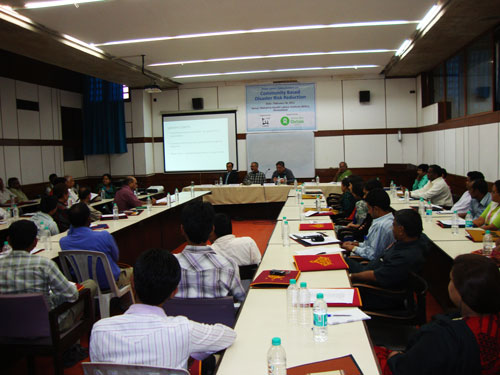
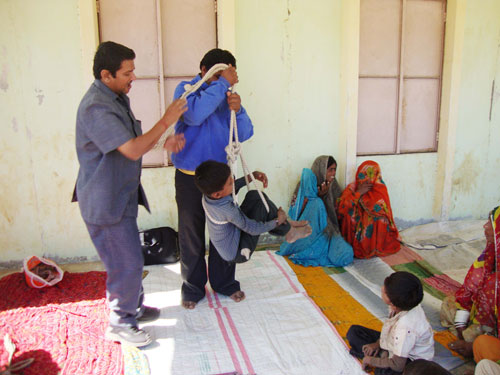
Capacity building programmes are regularly organised on DRR. Experiences are documented on post disaster health surveillance, school safety, community DRR Plan. A comparative analysis of post disaster recovery plans of various state governments has been prepared as a policy advocacy tool to promote owner driven reconstruction. These documents are available in our resource centre. We have also provided strategic support to Sahbhagi Shikshan Kendra (SSK), Lucknow for DIP-ECHO supported project on disaster preparedness implemented in Bahraich district of UP. Five sets of training modules on early warning, search and rescue, first aid, water and sanitation and social inclusion in DRR have been published by SSK in which we provided support in terms of conceptualisation and content systematisation.

We are very pleased to report that the disaster safe construction technology demonstrated under ‘Technology Park’ in Kutchch, Gujarat for people’s awareness building was selected as one of the good practices by Sphere India and EFICOR. This has been published among the 33 all India practices in a booklet entitled, ‘Turning the Tide – Good Practice in Community Based Disaster Risk Reduction’ by Sphere India and EFFICOR.

Few years back Owner Driven Reconstruction Collaborative had been formed as an advocacy group in which Unnati is a member. The group took a lead role in reconstruction of Koshi floods with an owner driven approach in collaboration with the Government of Bihar. In collaboration with NDMA a national guideline is under formulation on owner driven reconstruction. Unnati reviewed the state level guidelines prepared for post disaster recovery as part of the process of identification of facilitating factors to promote owner driven reconstruction. Several rounds of consultations have been held with the auspices of NDMA.
PILOT STUDY ON SAFETY OF IAY HOUSES IN DIFFERENT VULNERABILITY CONTEXTS
About the Pilot study and its methodology
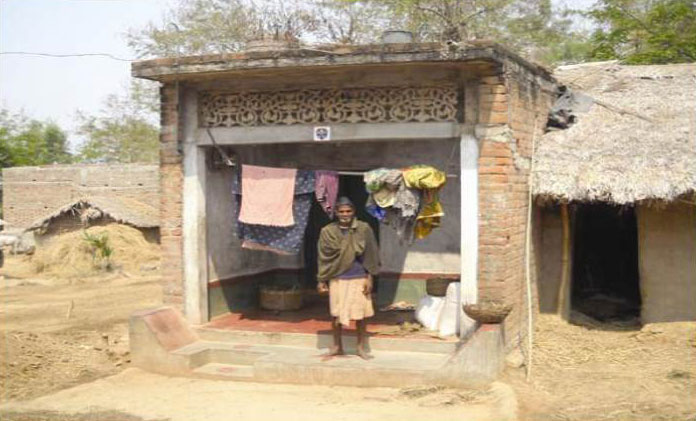
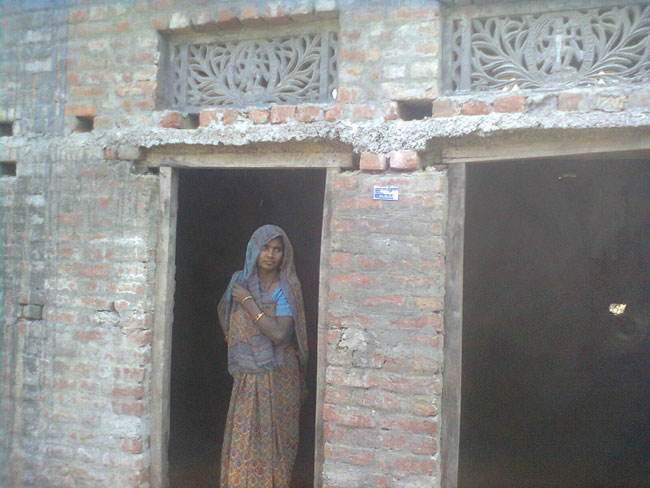
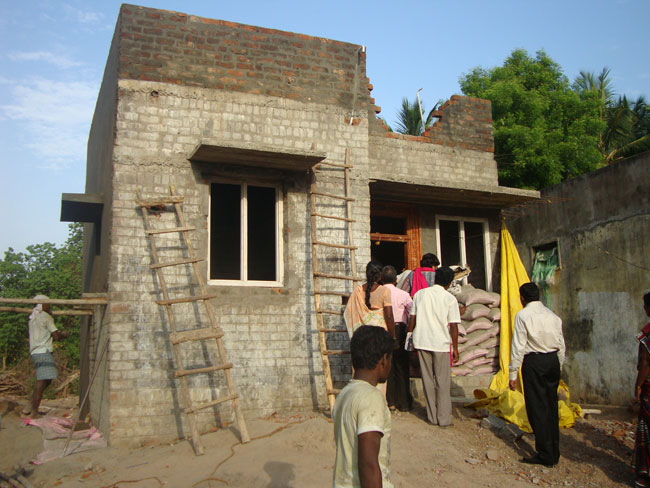
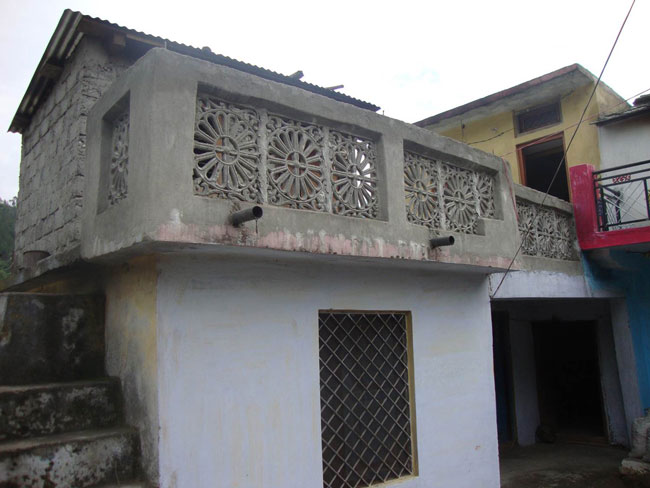
A study was undertaken by UNNATI and Knowledge Works during June – December 2012 to understand the successes and limitations of Indira Awaas Yojana with regard to vulnerability of these houses to different natural hazards in the country. The following partners collaborated in the study at the state level:
 
 
  • Odisha: Five villages of Satyabadi block of Puri district in collaboration with CENDRET and SWAD to study resilience of IAY houses to cyclones and floods.
  • Uttar Pradesh: Five villages in Kaisarganj block of Bahrich district facilitated by Sahabhagi Sikshan Kendra (SSK) to understand resilience to floods caused by Ghagra River.
  • Tamilnadu: Select villages of Gingee, Kandamangalam, Vanur and Koliyanur blocks of Villupuram district in collaboration with Kalvi Kendra to capture the impact of Tusanami.
  • Uttarakhand: Five villages of Dunda and Bhatwadi blocks of Uttarkashi district in collaboration with HPSS to look at the possible impacts of landslides.
  • Gujarat: In collaboration with Swayam Sikshan Proyag, select villages of Jodia taluka of Jamnagar district to understand earthquake safety of IAY houses.
   
 
The findings of another independent study by the Centre for Sustainable Development in Himachal Pradesh were also integrated in the study. A total of about 600 houses were examined across the six states exposed to five different kinds of natural hazards.

Besides the field level data collection, state specific policy framework for housing delivery was also examined through meetings with concerned government departments. In some of the states, the Disaster Risk Management unit of UNDP provided valuable support to understand the housing safety guidelines and operational framework of IAY housing delivery.

The questionnaire used for collecting data included questions about the location of the house, process and material of construction, cost of construction etc. that Through discussions with government functionaries involved in housing delivery at the state, district and block levels, the study sought to understand the institutional framework and the process of delivery of state sponsored housing. This information served as a base for understanding the key bottlenecks experienced by rural families as well as the government machinery in achieving disaster resilient housing. The preliminary conclusions and recommendations from the state specific processes were discussed at the National Consultation organized in New Delhi on 21 December 2012 in collaboration with basin-South Asia Platform to advocate for integration of safety issues in IAY.

Learnings from all of these processes have been consolidated in this document which briefly captures state specific findings and articulates national level actions required to improve disaster resilience of IAY houses. Additional information on specific states is available in the state reports accompanying this document.
 
Disaster Resilience of Indira Awaas Yojana Houses » Download PDF


Designed by Webplus